Pregnancy can feel magical. Yet it can also feel heavy, sore, and tiring. Your body works nonstop, day and night. Because of that, you may crave safe comfort that actually helps.
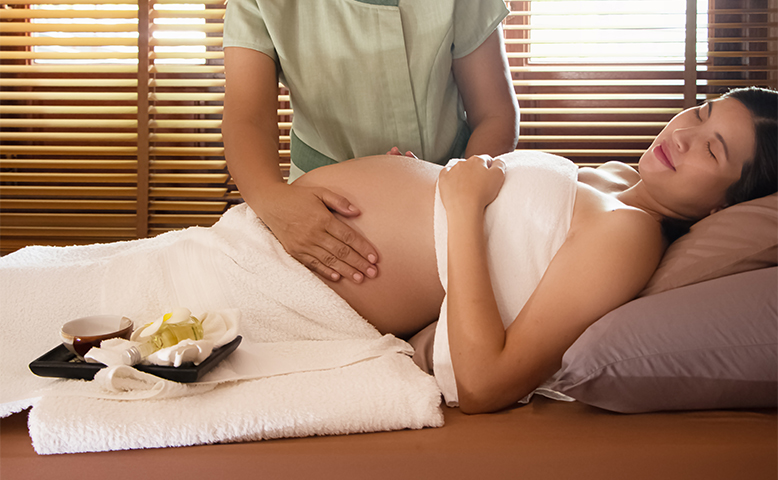
That’s where prenatal massage can fit in. It’s a gentle type of massage made for pregnancy. It uses safer positions and lighter pressure. It also avoids sensitive areas. So, you can relax without feeling uneasy.
Even better, research suggests massage may ease pain and lower stress during pregnancy. Still, every pregnancy is different. So, you should talk with your prenatal care provider first. In this blog, you’ll learn real, practical benefits. You’ll also get safety tips and simple ways to get more comfort.
1) What is prenatal massage?
Prenatal massage focuses on comfort, not “fixing” you. It supports the changes your body goes through. Also, it uses positions that protect your belly and joints.
Gentle pressure
Most sessions use mild pressure, often like Swedish massage. This style can help relax tight muscles.
Safer positioning
Many therapists use side-lying with pillows. This can reduce strain on your back. It can also help you breathe easier.
Clear boundaries
A trained provider avoids deep pressure in risky areas. They also adjust based on swelling, pain, or nausea. Because of that, you stay in control the whole time.
Most importantly, this is not deep tissue “work” on sore spots. Instead, it’s a steady, calming touch. So, you feel cared for, not pushed.
2) Less back, hip, and leg pain you feel every day
As your baby grows, your center of weight shifts. So, your lower back may ache more. Your hips may also feel tight. Then, your legs can cramp at night.
Prenatal massage may help by relaxing overworked muscles. It can also ease tension from posture changes. In addition, it can help you notice where you hold stress.
Studies on pregnancy massage report less back and leg pain in people who received massage. That matters because pain can steal your sleep. It can also make simple chores feel huge.
If pain is your main issue, try these focus areas:
- Low back and glutes
- Hips and outer thighs
- Calves and feet (with gentle pressure)
Also, drink water after. Then, take a slow walk later. Small steps can keep you looser longer.
3) Reduced swelling and better circulation (especially in late pregnancy)
Swelling can feel annoying and even scary. Your rings may not fit. Your ankles may look puffy by the afternoon. Yet, mild swelling can be normal in pregnancy.
A gentle massage may support blood and lymph flow. In one study, foot massage helped decrease lower-leg swelling in late pregnancy. Less swelling can mean easier walking and less pressure.
Here’s a simple way to think about it:
| When swelling feels worst | What you can try | What prenatal massage may support |
| – After long sitting – After standing at work – Late-day fatigue | – Short breaks – Feet up – Gentle ankle circles | – Gentle foot work – Calf relaxation – Comfort in the legs |
Important: Avoid deep, hard pressure on the legs. Pregnancy raises clot risk, so ask your provider if you have red flags.
4) Better sleep when your mind and body won’t “shut off.”
Sleep can get tricky as pregnancy moves along. You may wake to pee. Or, your hips may hurt in bed. Also, your mind may race at 2 a.m.
Massage can help your body shift into “rest mode.” It lowers muscle tension. It may also help calm stress signals. When your body feels safer, sleep often comes more easily.
To get more sleep benefits, try this routine:
- Schedule a massage earlier in the day if nights feel rough
- Use a pillow between your knees afterward
- Keep lights low for one hour before bed
- Try slow breathing for five minutes
Even if you still wake up, you may fall back asleep faster. And that can change your whole next day.
5) Lower stress and a steadier mood you can feel
Pregnancy brings big feelings. Sometimes you feel excited. Other times, you feel worried for no clear reason. That is common, and you are not alone.
Research on massage in pregnancy links it with lower anxiety and depression scores. Some studies also report lower cortisol, a stress hormone. When stress drops, your body often feels less “on edge.”
“Women who received massage therapy reported decreased depression, anxiety, and leg and back pain.”
That benefit matters for your daily life. You may feel more patient. You may also feel more present with your family. And you may stop bracing for the next ache.
If you deal with worry often, consider shorter, regular sessions. Also, pair massage with a calm playlist at home.
6) A calmer connection with your changing body
Pregnancy can make you feel “not like yourself.” Your belly grows fast. Your ribs may feel tight. Also, your skin and joints may feel different.
Prenatal massage can help you reconnect with your body. It gives you a quiet space to notice what you need. Then, you can respond with kindness instead of frustration.
Some people say massage helps them feel more confident. Others say it helps them feel less scared of labor. While results vary, the calming effect is well described in clinical reviews.
When your body feels less tense, you often move better. So, daily tasks feel easier. Also, you may breathe deeper without thinking.
Try this after your session:
- Place a hand on your belly
- Take five slow breaths
- Notice one thing your body did well today
Small moments build trust in yourself.
7) Support for labor comfort (plus what evidence suggests)
No one can promise a perfect labor. Still, comfort tools can help you cope. Massage is one of those tools.
Some research on massage during labor shows less pain and shorter labor time. Also, a calming touch can reduce fear. Then, your body may stay more flexible.
Massage may be “a promising, non-pharmacological option” for comfort in pregnancy and labor.
Even if you only use it in pregnancy, you learn what pressure feels good. You also learn how to relax your jaw and shoulders. That skill can help during contractions.
If your partner will support you in labor, ask your therapist for simple, safe touch ideas. Also, practice them at home. That way, it feels familiar later.
8) Safety tips and how to get the most from prenatal massage
Massage is often safe with the right precautions. Still, you should get a “green light” from your provider first. That’s extra important with a high-risk pregnancy.
Use these simple tips:
- Choose a therapist trained in prenatal care
- Share your trimester and any symptoms up front
- Ask for side-lying positioning and pillow support
- Avoid deep pressure on the belly and legs
- Stop if you feel dizzy, sick, or short of breath
Also, know when to pause the massage. Skip it and call your provider if you have sudden swelling, severe headache, or calf pain.
Wrap-up
Prenatal massage can ease pain, swelling, stress, and sleep trouble. It can also help you feel more at home in your body. If you’re in Casper, you can explore prenatal massage at Relaxation Nation, L.L.C.